
Chicago Wedding Venues Rich in History and Architectural Presence
Chicago is a city shaped by resilience, reinvention, and architectural mastery.
For couples drawn to history, hosting your wedding within one of the city’s landmark buildings offers more than a backdrop — it offers narrative. These venues carry stories in their walls, ornate ceilings, and marble staircases. When chosen thoughtfully, their architectural character becomes part of your design language.
Below is a curated selection of Chicago venues where history and celebration meet.

The Palmer House Hilton: Originally opened in 1871, the Palmer House has long been synonymous with Chicago grandeur. Built by Potter Palmer as a wedding gift for his bride, Bertha Honoré Palmer, its origin story feels particularly fitting for modern celebrations. With gilded ceilings, sweeping staircases, and dramatic ballrooms, this venue suits couples drawn to formal elegance and large-scale productions.
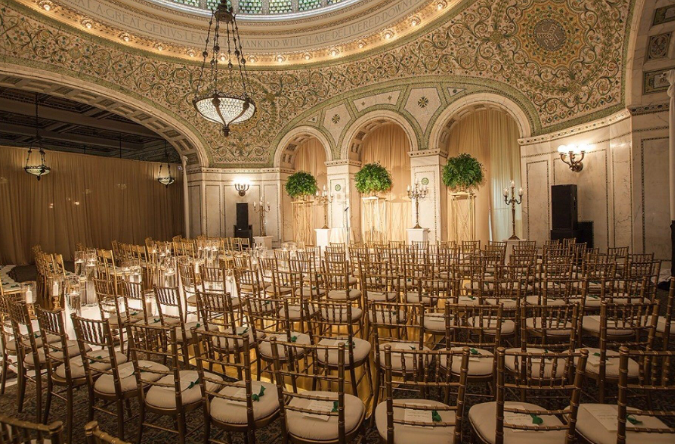
The Chicago Cultural Center: Completed in 1897 as the city’s first public library, the Chicago Cultural Center is home to the world’s largest Tiffany glass dome. Its Beaux-Arts architecture and luminous interior require minimal decor — making it ideal for couples who appreciate restrained design layered over extraordinary architecture.

The Rookery Building: Designed in 1888 by Daniel Burnham and John Root, and later renovated by Frank Lloyd Wright, The Rookery blends industrial innovation with refined detailing. Its iconic light-filled atrium provides architectural drama without overpowering a thoughtfully layered design palette.
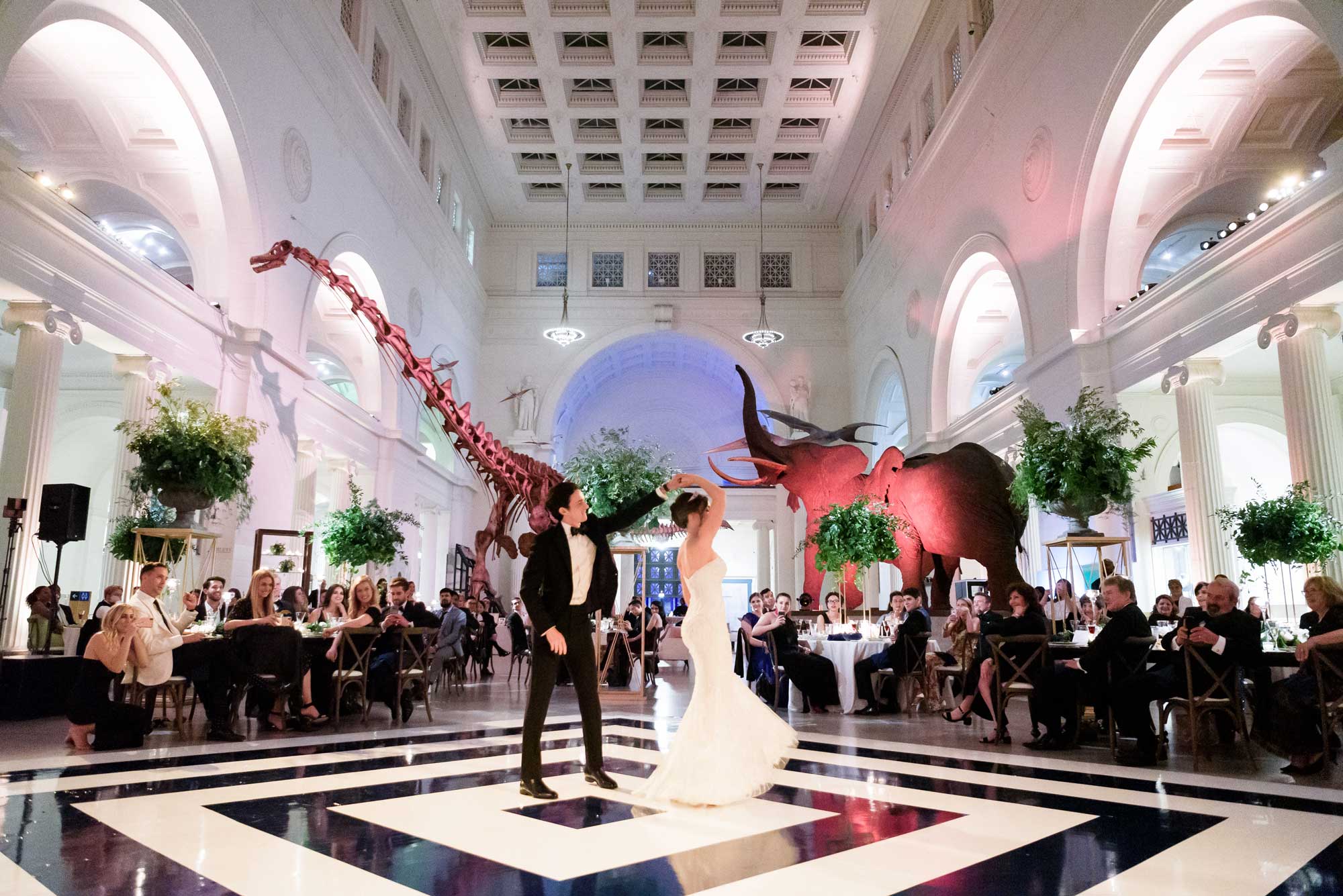
The Field Museum: Founded in 1893, The Field Museum offers monumental scale and museum-quality ambiance. Celebrating beneath soaring columns or near historic exhibits creates a guest experience that feels immersive and unforgettable. This setting lends itself beautifully to large guest counts and dramatic lighting design.

The Drake Hotel: Since 1920, The Drake has embodied lakefront sophistication. Overlooking Lake Michigan, its ballrooms blend classic refinement with historic charm — well-suited for traditional, black-tie celebrations.
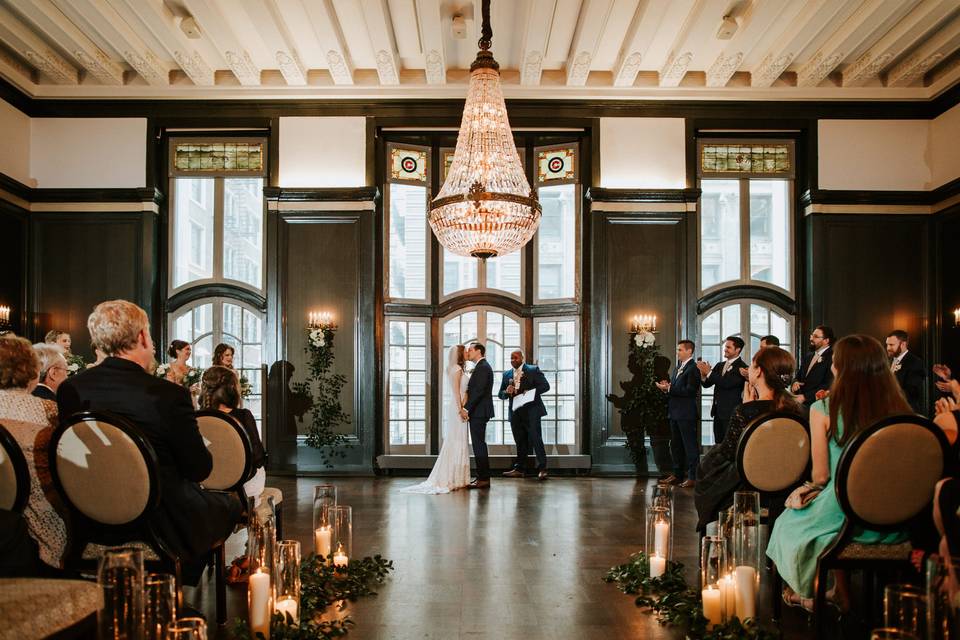
The Chicago Athletic Association: Originally founded as a private club in 1893, this Gothic Revival landmark now offers richly layered interiors with stained glass, vintage detailing, and modern hospitality. Its moody, textured aesthetic appeals to couples seeking architectural depth.
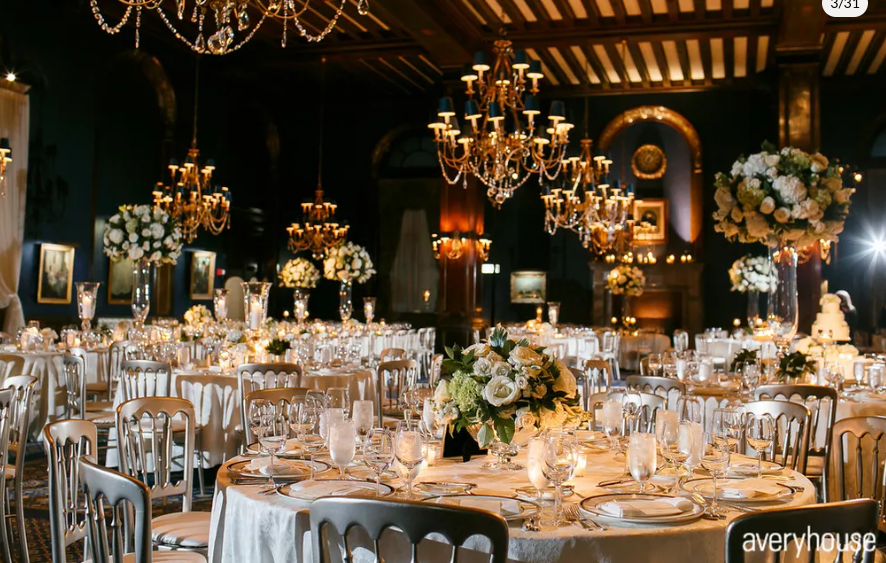
The Union League Club of Chicago: Founded in 1879, the Union League Club provides refined, club-style elegance. Rich woodwork and historic artifacts create an intimate yet distinguished environment for formal gatherings.

Thalia Hall: Originally constructed in 1892, Thalia Hall’s concert-hall architecture lends itself to dramatic ceremony staging and layered lighting design. Its multi-level layout allows for dynamic guest flow and immersive receptions.
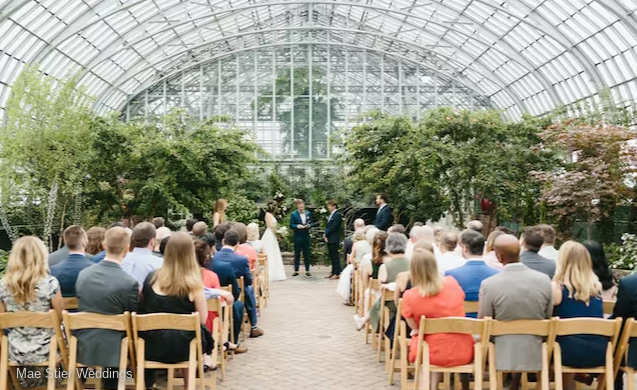
The Garfield Park Conservatory: Dating back to 1908, this botanical landmark blends historic architecture with lush greenery. Natural light and structural glass ceilings create an organic yet grand setting.

The Chicago History Museum: Hosting your wedding at the Chicago History Museum situates your celebration within the broader story of the city itself — merging cultural heritage with modern hospitality.
Choosing a Historic Venue with Intention
Historic venues offer extraordinary architecture — but they also require thoughtful planning.
Load-in restrictions, preservation rules, lighting constraints, and production limitations must be navigated carefully. When integrated properly, however, these spaces offer unparalleled depth and presence.
For couples who value story, craftsmanship, and architectural integrity, Chicago’s historic venues provide an unforgettable foundation.

