
Design Missteps That Quietly Undermine a Wedding — and How to Avoid Them
Beautiful weddings rarely happen by accident.
They are the result of layered decisions that work together — architecturally, visually, and experientially.
While many couples begin planning with a strong aesthetic vision, there are several design oversights that can subtly disrupt cohesion and flow.
Understanding these principles ensures that your celebration feels intentional from first impression to final dance.
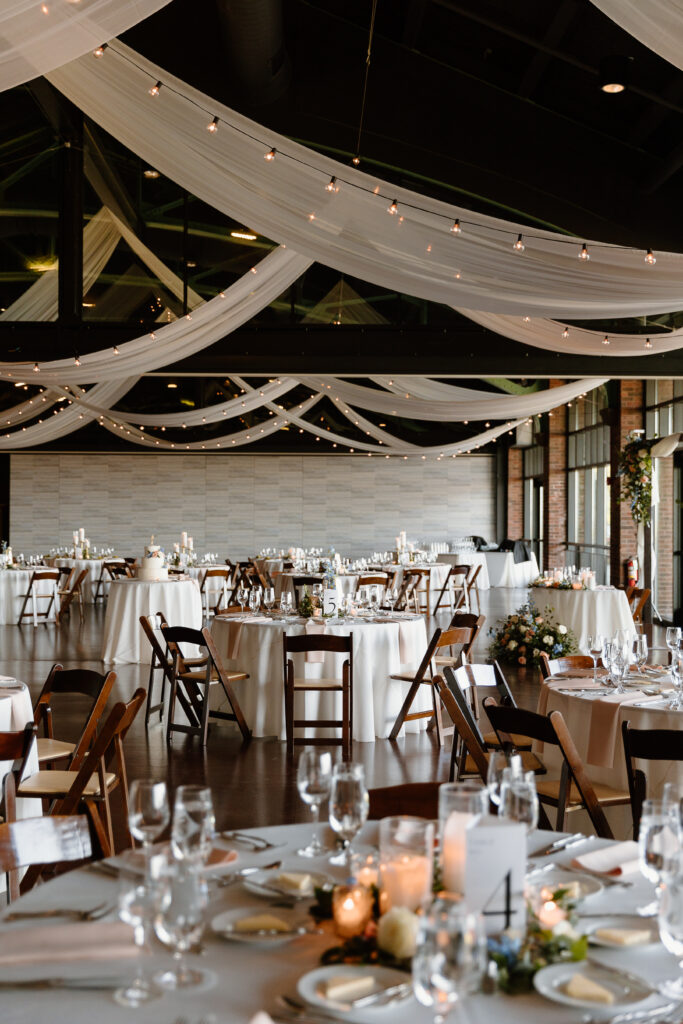
1. Cohesion Is More Powerful Than Trend
One of the most common design pitfalls is assembling individual elements that are beautiful on their own — but unrelated in context.
Color palette, floral style, tabletop rentals, signage, and attire must speak the same visual language.
Without cohesion:
- The room can feel visually fragmented
- Guests may not consciously identify the issue, but they feel it
- Photography loses depth and harmony
Design begins with clarity.
Before selecting florals or linens, define:
- Overall mood (romantic, architectural, modern, classic)
- Level of formality
- Color direction
- Material texture
Everything else builds from there.
2. Ignoring the Architecture of the Venue
The venue is not a blank canvas. It is the foundation.
Every space has inherent characteristics:
- Ceiling height
- Wall texture
- Natural light
- Flooring tone
- Architectural era
Design that competes with the venue feels forced. Design that complements it feels effortless.
For example:
- A highly ornate ballroom rarely pairs well with rustic farm-style decor.
- A minimalist loft may require substantial investment to achieve a romantic, layered aesthetic.
Alignment between venue and vision reduces the need for excessive decor — and protects budget allocation.
3. Underestimating Lighting Design
Lighting is often the most transformative — and most underestimated — design element.
Florals and linens may set the stage, but lighting sets the mood.
Without thoughtful lighting:
- Large rooms feel cold
- Florals lose dimension
- Guests feel exposed rather than enveloped
Layered lighting might include:
- Uplighting to warm architectural features
- Pin spots to highlight centerpieces
- Candles for intimacy
- Intelligent lighting to shift energy during dancing
When lighting is integrated intentionally, the room evolves throughout the evening.
4. Treating Tablescapes as Afterthoughts
Guests spend the majority of the reception seated; therefore, the table is their primary point of interaction. Yet tablescapes are often simplified to “centerpiece and linens.”
Elevated table design considers:
- Height variation
- Texture layering
- Glassware scale
- Flatware finish
- Napkin styling
- Spatial proportion
Too many elements overwhelm. Too few feel incomplete. Balance is key.
5. Overcrowding the Space
Design is not only aesthetic — it is spatial.
Overcrowding tables, undersizing dance floors, or blocking key pathways disrupts flow and guest comfort.
An elegant wedding prioritizes:
- Clear sightlines
- Comfortable guest circulation
- Adequate dance floor space
- Unobstructed service paths
- Emergency access compliance
Good design feels open — even in a full room.
6. Designing Without Production Awareness
Certain aesthetic choices require structural support.
For example:
- Dramatic ceiling installations require rigging approval
- Heavy florals require load calculations
- Large bands require significant square footage
- Custom stages require additional power
When design decisions are made without production awareness, compromises follow. Integrated planning prevents these conflicts before they occur.
Final Perspective
The most successful wedding designs share one quality:
Restraint paired with intention.
Rather than layering trends, they build around:
- Architectural harmony
- Proportional balance
- Lighting integration
- Guest experience flow
When these elements align, the result is not simply beautiful — it is cohesive. And cohesion is what makes a wedding feel elevated rather than assembled.

