
Choosing Your Wedding Catering Style: How Service Shapes the Experience
The way your meal is served will influence far more than what appears on the plate.
Catering style impacts:
- Budget allocation
- Timeline structure
- Tablescape design
- Guest flow
- Staffing needs
- Overall atmosphere
While the menu matters, the format in which it is delivered often defines the energy of the evening.
Below is a thoughtful breakdown of the four primary wedding catering styles — and how each shapes the celebration differently.
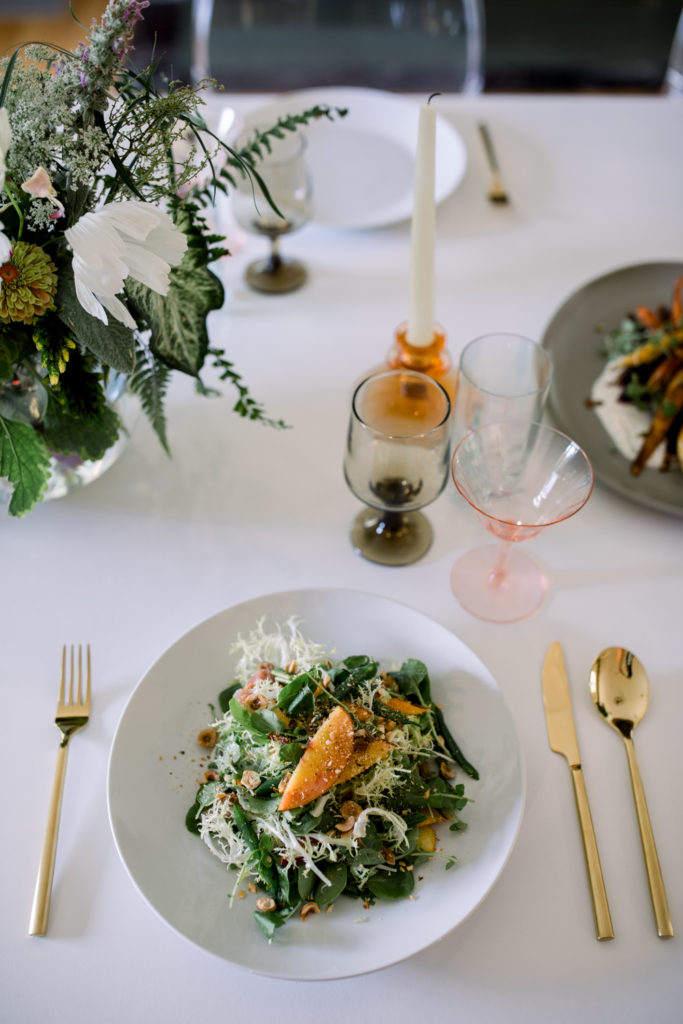
Plated Service
The Atmosphere
Plated dinners create a refined, structured experience. Guests remain seated as courses are served directly to them, allowing for uninterrupted conversation and a formal rhythm to the evening.
This format naturally supports black-tie and traditional celebrations.
Budget Considerations
Contrary to common assumption, plated service is often the most cost-effective in terms of food volume. Because meals are pre-selected and portioned precisely, there is less overproduction.
However, staffing costs are higher. Larger guest counts require more servers, which increases labor expenses.
Design Impact
Plated service allows your tablescape to fully shine. Because guests remain seated for the duration of dinner, every detail — linens, glassware, florals, candles — remains central to the experience.
For couples investing significantly in design, this format allows the aesthetic to be appreciated without interruption.
Guest Experience
Guests select their meals in advance, creating predictability in service. The pace is measured, which allows dinner to thoughtfully incorporate speeches or performances.
From a sustainability standpoint, plated service typically produces the least food waste.
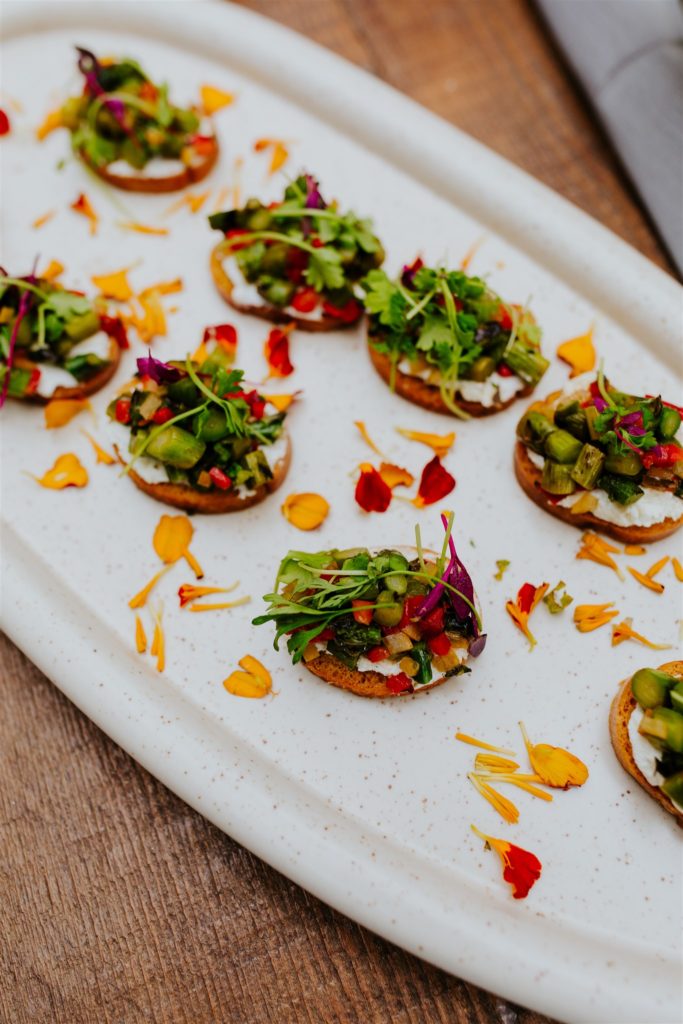
Buffet Service
The Atmosphere
Buffet service creates a more relaxed, flexible environment. Guests move through stations at their own pace, which can feel social and informal.
For highly formal or black-tie celebrations, this format may feel misaligned.
Budget Considerations
While often perceived as the most economical option, buffet service usually requires additional food to ensure abundance throughout service. This can increase overall food costs.
Staffing expenses are generally lower than plated service, but additional rental tables and linens for the buffet display may be required.
Design Impact
Guest tables remain unaffected by the service style. However, buffet stations become visual focal points and should be styled intentionally to avoid appearing cluttered.
Well-designed buffets can be beautiful. Poorly maintained ones can feel disorganized.
Guest Experience
Lines must be managed thoughtfully to prevent congestion. When executed properly — with table releases or multiple stations — flow remains smooth.
Buffet service typically results in the highest food waste, as portions are guest-controlled.
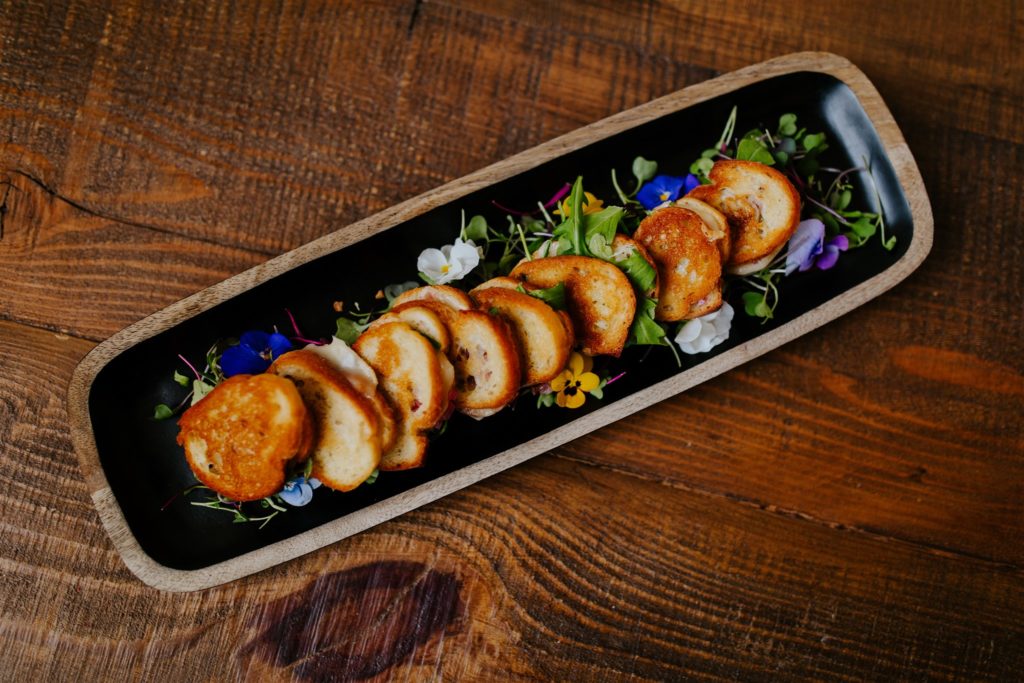
Family-Style Service
The Atmosphere
Family-style dining offers the intimacy of a seated dinner with the warmth of shared dishes passed around the table.
It encourages conversation and creates a sense of community among guests — even those meeting for the first time.
Budget Considerations
Food quantities must be slightly increased to account for shared service. Rental needs are also higher, as serving platters and larger table surfaces are required.
Depending on rental selections, this format can rival or exceed plated costs.
Design Impact
Table width and surface area become critical. Serving platters must coexist harmoniously with florals, candles, and place settings.
When designed thoughtfully, the shared dishes become part of the tablescape itself.
Guest Experience
Family-style service allows guests to try multiple dishes while remaining seated. It balances structure with warmth and often feels abundant without being chaotic.
Food waste is moderate — more than plated, less than buffet.

Cocktail-Style Reception
The Atmosphere
A cocktail reception replaces a traditional seated dinner with passed hors d’oeuvres and optional food stations.
The energy is lively and fluid. Guests mingle freely and the evening often feels more like a curated soirée than a formal dinner.
This format suits modern, design-forward celebrations with strong hospitality planning.
Budget Considerations
Cocktail-style receptions can be economical if carefully portioned. However, elaborate stations or high-end culinary displays can quickly increase costs.
Rental needs decrease due to the absence of full dinner tables — allowing budget to shift toward statement installations or elevated lounge areas.
Design Impact
Without large dining tables, décor becomes architectural. Floral installations, statement bars, and lounge groupings take visual priority.
The room design must intentionally support standing conversation and movement.
Guest Experience
When executed properly, guests feel well-fed and energized. The misconception that cocktail receptions leave guests hungry typically stems from under-planning.
Dietary accommodations require careful attention in this format.
This style requires strong timeline management if speeches or formal programming are included.

How to Choose
Rather than asking which style is “best,” consider:
- How formal do you want the evening to feel?
- How important is seated dinner conversation?
- How much are you investing in tablescape design?
- What does your venue already provide?
- How do you want guests to move through the space?
The most elegant decision is the one aligned with your priorities — not assumptions.
Each service style can be elevated. Each can feel intentional. What matters most is that the format supports the experience you want to create. When thoughtfully designed, dinner is not simply a meal — it is a defining chapter of the celebration.
A very special thanks to Monica and Shannon from Green Spoon Kitchen and Jasmine from Big Delicious Planet for their contributions to this post!

