
A Sustainable Wedding Doesn’t Have to Sacrifice Hospitality
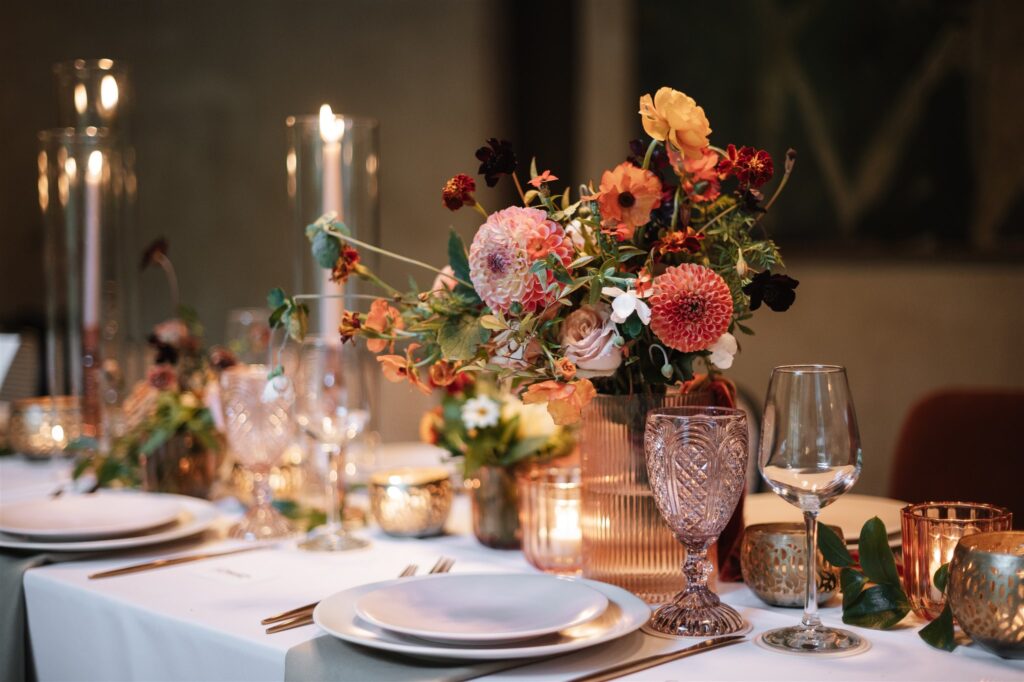
What does a sustainable wedding actually look like? For years, sustainable weddings have often been associated with a particular kind of simplicity: fewer decorations, fewer flowers, fewer printed pieces, fewer rentals, and, ultimately, fewer things.
There is value in questioning how much we consume for a single celebration. Weddings can generate significant waste, and many of the traditions and trends surrounding them deserve a closer look.
But somewhere along the way, sustainability and austerity became too closely intertwined.
A sustainable wedding does not need to feel sparse, unfinished, or underproduced. Sustainability doesn’t require sacrificing the comfort, atmosphere, and sense of hospitality that turn a gathering into an exceptional experience.
In fact, I believe the better question isn’t simply, “How can we use less?”
It’s “How can we use resources more thoughtfully?”
A Wedding Is More Than Decorations
When couples begin thinking about sustainability, it’s natural to focus on physical objects.
Do we need programs?
What will happen to the flowers?
Can we skip favors?
Should we avoid custom signage?
How much décor do we really need?
These are worthwhile questions. At Sustainable Soirées, we routinely look for opportunities to reduce single-use items, prioritize rentals, work with thoughtful vendors, source responsibly, compost waste, and donate flowers after a celebration.
That being said, a wedding isn’t simply the sum of the things brought into a room. It is a hospitality experience.
Your guests will experience how they’re welcomed into the space. They’ll notice whether they’re comfortable. They’ll experience the lighting, temperature, smells, and sound. They’ll interact with bartenders and servers. They’ll spend hours sitting in the chairs you’ve selected. They’ll move between spaces, enjoy a meal, listen to music, and hopefully feel that every part of the celebration has been thoughtfully prepared for them.
Those things matter, too.
Less Isn’t Always More Sustainable
Imagine a reception space with a folding table used as a bar, a DJ positioned behind another linen-covered table, and an unattractive wall behind dinner.
Technically, bringing nothing additional into that space requires fewer resources, but that doesn’t necessarily mean adding anything is wasteful.
A rental bar can conceal the functional equipment necessary for beverage service while becoming part of the architecture of the room. Drapery can transform an unattractive wall, soften a space, and create a more immersive atmosphere. Thoughtful lighting can completely change how a room feels while also allowing guests to comfortably navigate it throughout the evening.
Importantly, many of these pieces aren’t manufactured for a single wedding. Rental bars, chairs, linens, tabletop items, lounge furniture, drapery, lighting equipment, and staging are part of a larger event ecosystem. They are installed for one celebration, removed, and used again, dozens, even hundreds, of times over.
There is a meaningful difference between bringing something into an event and creating or buying something disposable.
Hospitality Should Earn Its Place
This doesn’t mean every wedding needs more. I don’t believe in adding things simply because Pinterest, tradition, or the wedding industry says they’re necessary.
We often recommend eliminating favors guests are unlikely to take home.
Perhaps we don’t need a sign explaining every moment of the evening.
Maybe we don’t need several different custom napkins, disposable props, or decorative objects with no meaningful life beyond the celebration.
However, we may strongly recommend investing those resources somewhere else, such as:
Comfortable chairs.
Beautiful lighting.
Thoughtful linens and tabletop items.
A well-designed bar.
Excellent food and beverage.
Appropriate staffing.
Drapery that allows the room to feel complete.
Music and entertainment that support the atmosphere.
A comfortable place for guests to sit during cocktail hour.
These aren’t simply “more things.”
They’re elements of hospitality.
Sustainability Isn’t An Aesthetic
A sustainable wedding doesn’t have to look rustic, earthy, minimal, or visibly “eco-friendly.”
It can be formal.
It can be abundant.
It can take place in a ballroom.
It can include extraordinary florals.
It can have custom fabrication.
It can have beautiful linens, dramatic lighting, and exceptional food.
Sustainability is not an aesthetic. It is a way of thinking about how an event is produced.
That means asking where something came from, who made it, whether it can be rented instead of purchased, whether we need it at all, whether it contributes meaningfully to the experience and what will happen to it afterward.
Sometimes the answer will be to eliminate something.
Sometimes the answer will be to source it differently.
And sometimes the answer will be that something beautiful is worth including.
Custom Doesn’t Automatically Mean Wasteful
Custom pieces can be particularly complicated for sustainability-conscious couples.
A welcome sign bearing your names and wedding date probably won’t be used at another wedding. A specialty linen or custom bar detail may exist specifically for your celebration, but that doesn’t automatically make it incompatible with a thoughtful approach.
Instead, we can consider the materials being used, how and where something is produced, whether generic components can be rented, whether the piece can serve more than one purpose during the celebration, and whether it can have a meaningful life afterward.
Most importantly, we can ask whether it deserves to exist in the first place.
A beautifully crafted piece that contributes meaningfully to the environment may be a more thoughtful choice than an assortment of inexpensive decorations purchased simply to fill space.
Sustainability doesn’t require perfection; it requires intention.
From “Using Less” to “Considering More”
This is ultimately how we approach sustainable weddings at Sustainable Soirées.
We don’t believe environmental responsibility and exceptional hospitality exist in opposition to one another.
We want to know where your flowers came from, and the farmers that grew them.
We also care about whether your guests are comfortable in their chairs.
We want to reduce unnecessary single-use items.
We also care about whether the lighting makes the room feel warm and inviting.
We want to consider what happens to the flowers, food, and materials after your wedding.
We also want the bar, entertainment, service, and surroundings to feel like they belong to the same beautifully considered experience.
The goal isn’t to strip a wedding down until there is nothing left to question. It’s to question everything, and then invest thoughtfully in the things that truly matter because a sustainable wedding can still be generous, immersive, beautiful, and extraordinarily well hosted.
Perhaps the most sustainable approach isn’t simply using less.
It’s considering more.
If you’re ready to create a beautifully considered wedding that your guests will remember for years to come, while prioritizing sustainability thoughtfully behind the scenes, we’d love to hear from you. Learn more about our wedding planning and design services or reach out to begin planning your celebration.

